
Ghalib’s ghazal “Sab kahan kuchh lala o gul mein numayan ho gaeen”
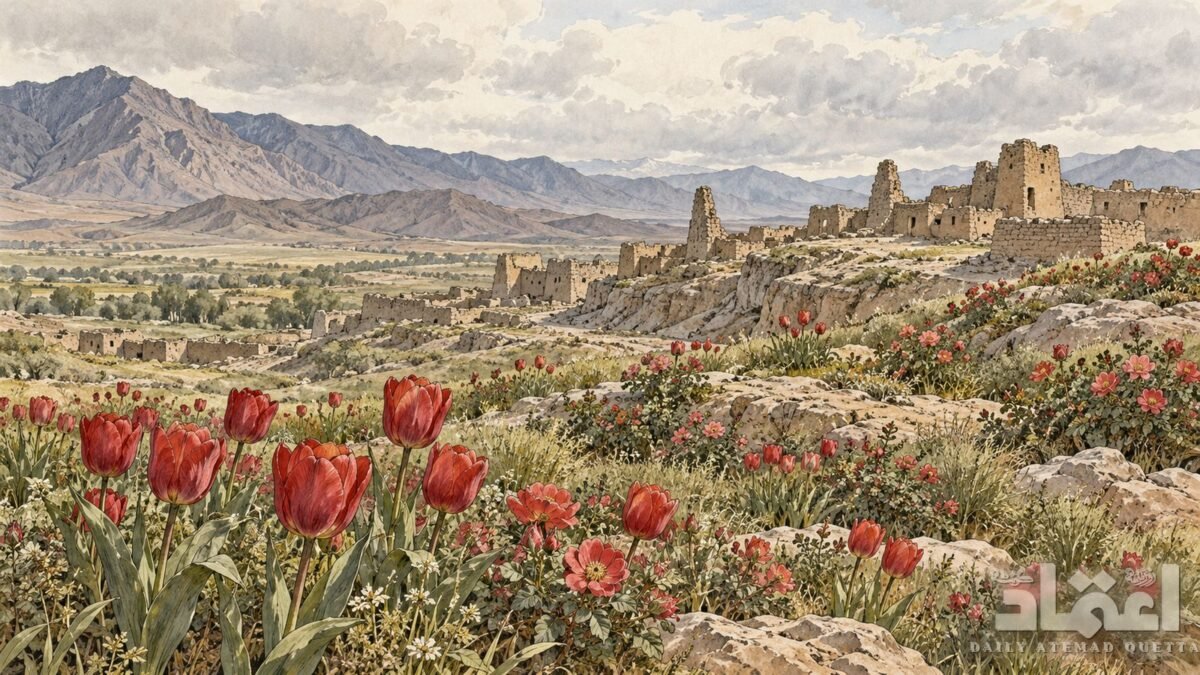
In the opening couplet Ghalib says only a few of the beautiful faces buried in dust re-emerged as tulips and roses; the rest were hidden for ever.
Mirza Asadullah Baig Khan Ghalib (1797–1869)2
Background
In the opening couplet, Ghalib says that only a few of the beautiful faces buried in dust re-emerged as tulips and roses. The rest were hidden for ever1. The ghazal also refers to the story of Prophet Yusuf (peace be upon him). The couplet “Ranj se khugar hua insan to mit jata hai ranj, mushkilen mujh par parin itni ke asan ho gaeen” (When man grows used to pain, the pain vanishes; so many hardships fell on me that they became easy) is among the most popular in Urdu poetry.
The ghazal
سب کہاں کچھ لالہ و گل میں نمایاں ہو گئیںخاک میں کیا صورتیں ہوں گی کہ پنہاں ہو گئیں
یاد تھیں ہم کو بھی رنگا رنگ بزم آرائیاںلیکن اب نقش و نگار طاق نسیاں ہو گئیں
تھیں بنات النعش گردوں دن کو پردے میں نہاںشب کو ان کے جی میں کیا آئی کہ عریاں ہو گئیں
قید میں یعقوب نے لی گو نہ یوسف کی خبرلیکن آنکھیں روزن دیوار زنداں ہو گئیں
سب رقیبوں سے ہوں نا خوش پر زنان مصر سےہے زلیخا خوش کہ محو ماہ کنعاں ہو گئیں
جوئے خوں آنکھوں سے بہنے دو کہ ہے شام فراقمیں یہ سمجھوں گا کہ شمعیں دو فروزاں ہو گئیں
ان پری زادوں سے لیں گے خلد میں ہم انتقامقدرت حق سے یہی حوریں اگر واں ہو گئیں
نیند اس کی ہے دماغ اس کا ہے راتیں اس کی ہیںتیری زلفیں جس کے بازو پر پریشاں ہو گئیں
میں چمن میں کیا گیا گویا دبستاں کھل گیابلبلیں سن کر مرے نالے غزل خواں ہو گئیں
وہ نگاہیں کیوں ہوئی جاتی ہیں یارب دل کے پارجو مری کوتاہیٔ قسمت سے مژگاں ہو گئیں
بسکہ روکا میں نے اور سینے میں ابھریں پے بہ پےمیری آہیں بخیۂ چاک گریباں ہو گئیں
واں گیا بھی میں تو ان کی گالیوں کا کیا جوابیاد تھیں جتنی دعائیں صرف درباں ہو گئیں
جاں فزا ہے بادہ جس کے ہاتھ میں جام آ گیاسب لکیریں ہاتھ کی گویا رگ جاں ہو گئیں
ہم موحد ہیں ہمارا کیش ہے ترک رسومملتیں جب مٹ گئیں اجزائے ایماں ہو گئیں
رنج سے خوگر ہوا انساں تو مٹ جاتا ہے رنجمشکلیں مجھ پر پڑیں اتنی کہ آساں ہو گئیں
یوں ہی گر روتا رہا غالبؔ تو اے اہل جہاںدیکھنا ان بستیوں کو تم کہ ویراں ہو گئیں
Difficult words
- Lala o gul: tulips and roses
- Pinhan: hidden
- Ranga rang bazm araiyan: holding gatherings of every kind
- Taq-e-nisyan: the niche of forgetfulness; a forgotten place
- Banat-un-Nash: the cluster of seven stars (Ursa Major)
- Gardun: the sky
- Uryan: bare, visible
- Yaqub: Prophet Yaqub (peace be upon him), who wept at the separation from his son Yusuf
- Rozan: a hole, a window
- Zanan-e-Misr: the women of Egypt, in the story of Yusuf (peace be upon him)
- Mah-e-Kanaan: the moon of Canaan, that is, Prophet Yusuf (peace be upon him)
- Furozan: bright
- Dabistan: a school
- Pe ba pe: one after another
- Bakhiya-e-chaak-e-garebaan: the stitch of a torn collar
- Darban: a doorkeeper, a guard
- Muwahhid: one who believes in one God
- Kaish: creed, way
- Tark-e-rusoom: giving up customs
- Khugar: accustomed
Sources
- Rekhta, Mirza Ghalib, ghazal “Sab kahan kuchh lala o gul mein numayan ho gaeen”, text reproduced unchanged from the same page (16 couplets), accessed 18 October 2026. https://www.rekhta.org/ghazals/sab-kahaan-kuchh-laala-o-gul-men-numaayaan-ho-gaiin-mirza-ghalib-ghazals?lang=ur
- Rekhta, “Mirza Ghalib: profile and biography”: real name Mirza Asadullah Baig Khan, born 27 December 1797 in Agra, died 15 February 1869 in Delhi. https://www.rekhta.org/poets/mirza-ghalib/profile?lang=ur
- “Ghalib”, Wikipedia (English): pen names Asad and Ghalib; titles Najm-ud-Daula and Dabir-ul-Mulk from Bahadur Shah Zafar in 1850 (citing Pavan K. Varma, Ghalib: The Man, The Times, Penguin, 1989). https://en.wikipedia.org/wiki/Ghalib
 More from Kalam
More → Ghalib's ghazal "Ye hum jo hijr mein deewar-o-dar ko dekhte hain"
 Ghalib's ghazal: Let us live in a place where no one is near
 Ghalib's opening ghazal: "Naqsh faryadi hai kis ki shokhi-e-tahrir ka"
 Ghalib: "Dil-e-nadan tujhe hua kya hai"
 Ghalib: It has been long since I hosted my beloved
 Ghalib: It was not our fate that we should meet the beloved
 Ghalib: No hope bears fruit
 Ghalib: Where I see the mark of your footstep