
Tarana-e-Milli: Iqbal’s anthem of the Muslim world from Bang-e-Dara
Known as "Chin-o-Arab Hamara", the poem is in Part 3 of Bang-e-Dara, which holds Iqbal's verse written after his return from Europe in 1908.
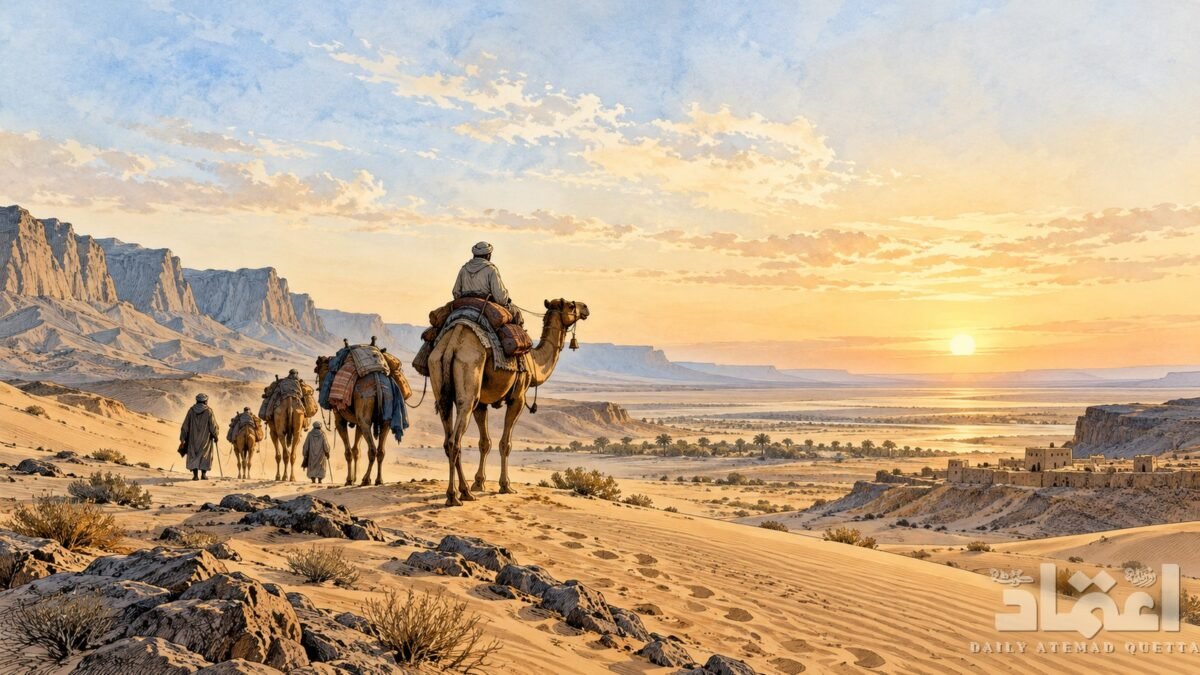
Allama Muhammad Iqbal · Bang-e-Dara, Part 3
Background
This anthem, known as “Chin-o-Arab Hamara”, is in the third part of Bang-e-Dara. That part holds the verse written after Iqbal’s return from Europe (1908)2. Iqbal wrote it in the metre and refrain of his early poem “Tarana-e-Hindi”. Here, however, the subject is not the homeland but the Muslim Ummah spread across the world3. In the last verse the poet calls his anthem “Bang-e-Dara”, the sound of the caravan’s bell. The collection published in 1924 carries the same title14.
The poem
چین و عرب ہمارا ہندوستاں ہمارامسلم ہیں ہم وطن ہے سارا جہاں ہمارا
توحید کی امانت سینوں میں ہے ہمارےآساں نہیں مٹانا نام و نشاں ہمارا
دنیا کے بت کدوں میں پہلا وہ گھر خدا کاہم اس کے پاسباں ہیں وہ پاسباں ہمارا
تیغوں کے سائے میں ہم پل کر جواں ہوئے ہیںخنجر ہلال کا ہے قومی نشاں ہمارا
مغرب کی وادیوں میں گونجی اذاں ہماریتھمتا نہ تھا کسی سے سیل رواں ہمارا
باطل سے دبنے والے اے آسماں نہیں ہمسو بار کر چکا ہے تو امتحاں ہمارا
اے گلستان اندلس وہ دن ہیں یاد تجھ کوتھا تیری ڈالیوں میں جب آشیاں ہمارا
اے موج دجلہ تو بھی پہچانتی ہے ہم کواب تک ہے تیرا دریا افسانہ خواں ہمارا
اے ارض پاک تیری حرمت پہ کٹ مرے ہمہے خوں تری رگوں میں اب تک رواں ہمارا
سالار کارواں ہے میر حجاز اپنااس نام سے ہے باقی آرام جاں ہمارا
اقبالؔ کا ترانہ بانگ درا ہے گویاہوتا ہے جادہ پیما پھر کارواں ہمارا
Difficult words
- Milli: relating to the millat (the nation or community)
- Tauheed: belief in the oneness of Allah
- Amanat: something entrusted to one’s care
- But-kadon: idol houses, places where idols are kept for worship
- Pehla woh ghar Khuda ka: the Kaaba
- Pasbaan: guardian, protector
- Taigh: sword
- Khanjar-e-Hilal: a dagger shaped like the new moon
- Sail-e-rawan: a flowing flood
- Batil: falsehood, wrong
- Gulistan-e-Andalus: the garden of Andalusia (Spain)
- Mauj-e-Dajla: a wave of the River Tigris (Iraq)
- Afsana khwan: storyteller
- Hurmat: honour, sanctity
- Salar-e-karwan: leader of the caravan
- Mir-e-Hijaz: chief of the Hijaz, that is, the Holy Prophet (peace be upon him)
- Bang-e-Dara: the sound of the caravan’s bell
- Jada-paima: one who travels the road
Sources
- Rekhta, «ترانۂ ملی», Allama Iqbal: text, with print source Kulliyat-e-Iqbal (Educational Publishing House, Delhi, 2014), p. 159, and note "حصہ سوم: 1908 سے (بانگِ درا)". https://www.rekhta.org/nazms/taraana-e-millii-chiin-o-arab-hamaaraa-hindostaan-hamaaraa-allama-iqbal-nazms?lang=ur
- International Iqbal Society, Kulliyat-e-Iqbal (Urdu), Bang-e-Dara Part 3, «ترانۂ ملی»: text used for comparison. https://iqbal.com.pk/poetical-works/7-poetical-works/kuliyat-e-iqbal-urdu/bang-e-dra/baang-e-dara-part3/210-tarana-e-milli.html
- "Tarana-e-Milli", Wikipedia (pointer only): written in the same metre and rhyme scheme as Tarana-e-Hindi. https://en.wikipedia.org/wiki/Tarana-e-Milli
- International Iqbal Society, "Time Line": Bang-e-Dara ("Call of the Caravan") published in Urdu in March 1924; Iqbal returned from Europe in 1908. https://iqbal.com.pk/iqbal/time-line.html
 More from Kalam
More → Tariq's Prayer: Iqbal's poem from Bal-e-Jibril
 The Mosque of Cordoba
 To Javed: Iqbal's poem for his son, written in London
 To a Young Man: Iqbal's poem from Bal-e-Jibril
 A Child's Prayer: Iqbal's poem "Lab Pe Aati Hai Dua"
 An old Baloch's advice to his son: Iqbal's poem from Armughan-i-Hijaz
 Beyond the stars there are more worlds: Iqbal's ghazal from Bal-e-Jibril
 Ghalib's ghazal "Aah ko chahiye ik umr asar hote tak"